
Guide
What a Service Call Covers Here in Frisco
A plain look at what a Frisco Garage Door Co service call includes, tied to this area's 2000s-era housing stock, moderate-heat climate, and homeowner-heavy neighborhoods.
Local detail
What Is Going On
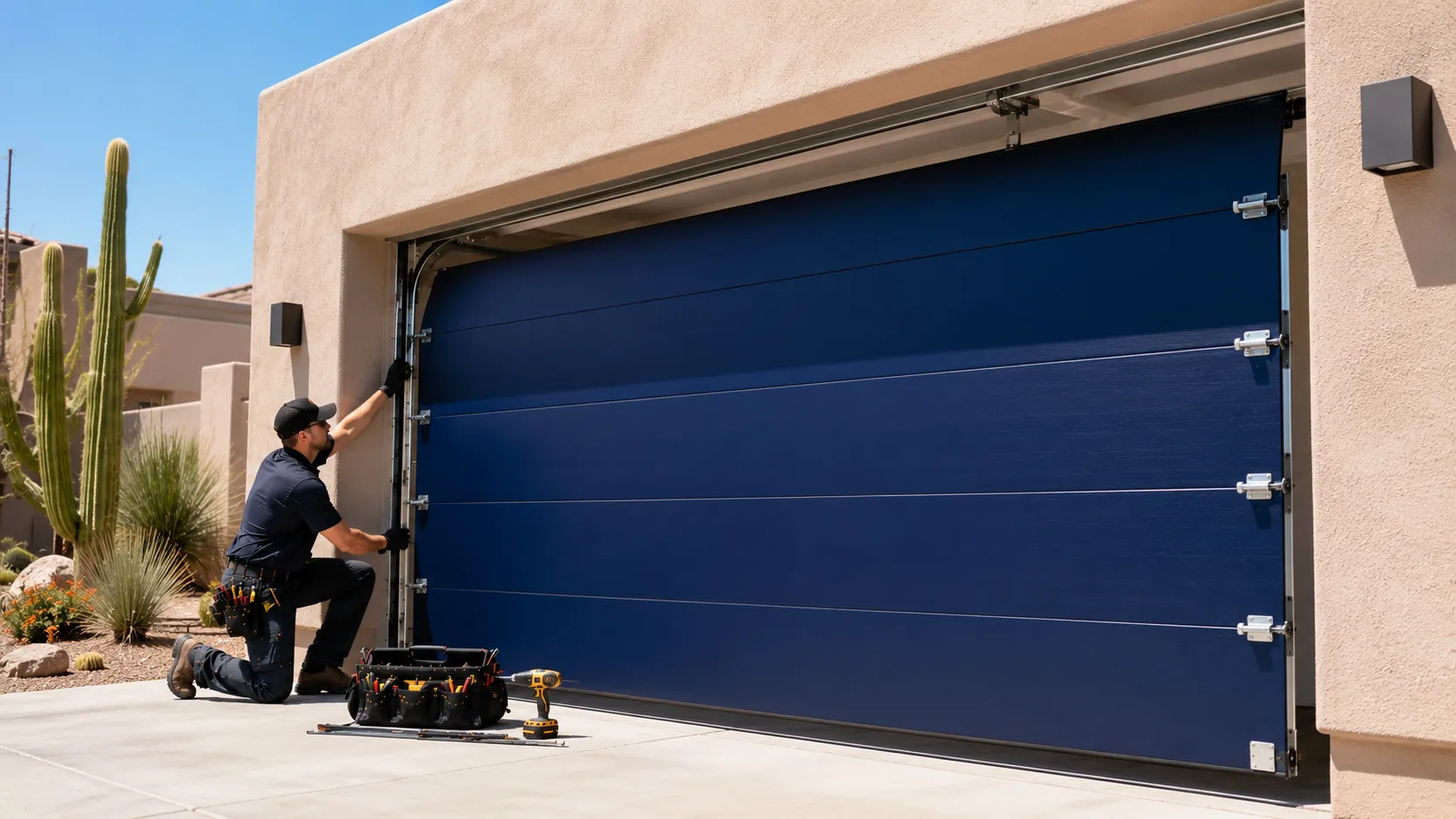
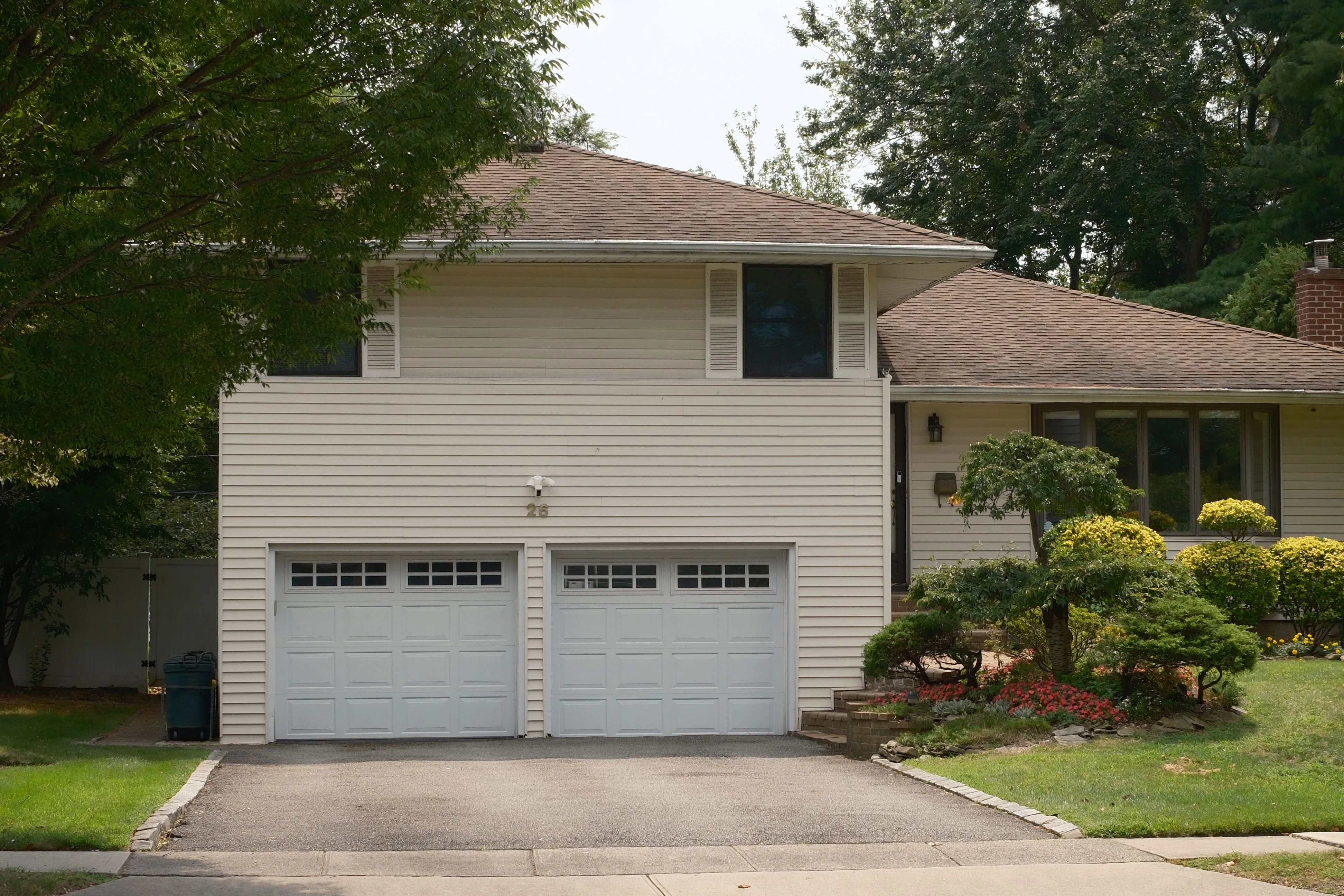
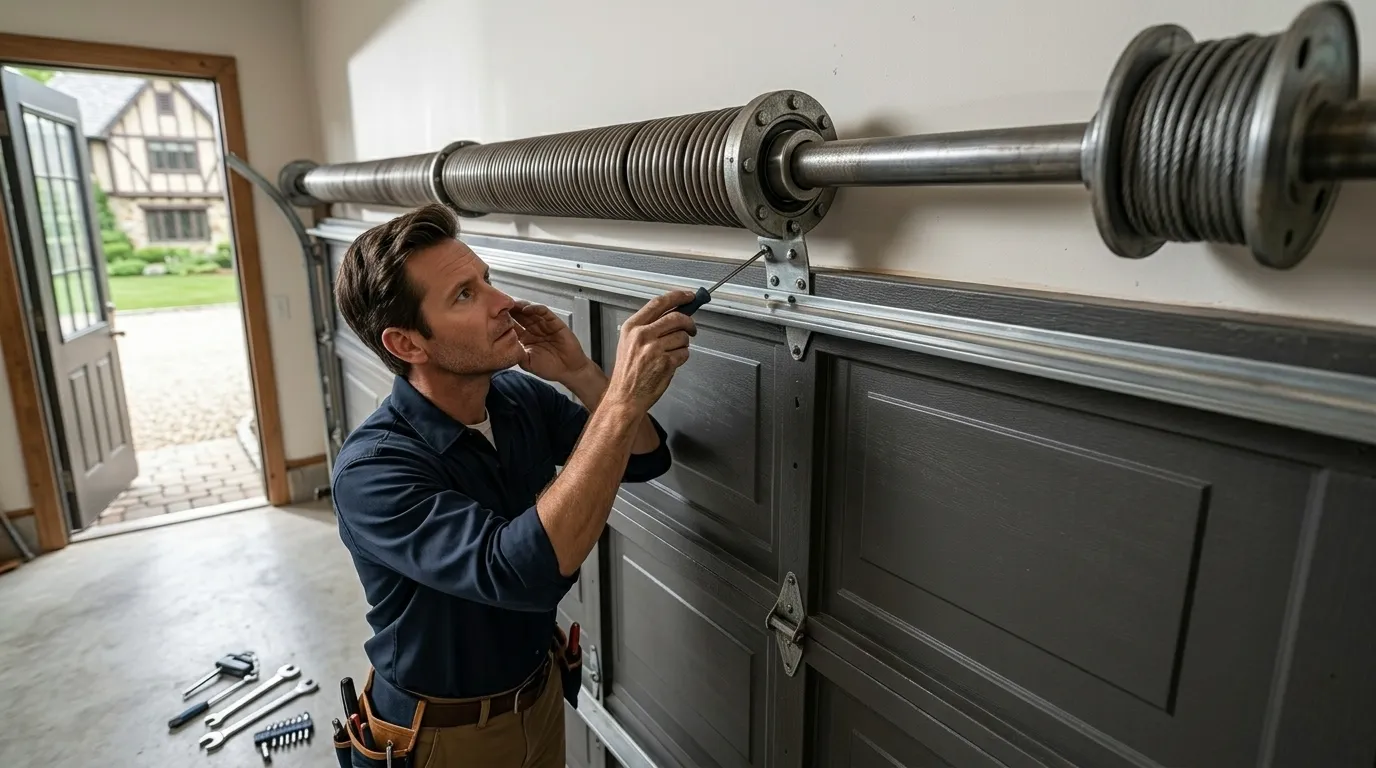
Most of the housing in this service area went up between 1985 and 2015, with a heavy concentration of builds landing around 2002. That's not a small detail - it means the garage door hardware we run into on a typical call is builder-grade steel sectional, hung on torsion or extension springs sized for the panel weights that were standard in that era. When you call, the first thing we're doing is figuring out which system you've got: torsion spring on a header-mounted shaft, or the older extension-spring setup along the horizontal tracks.
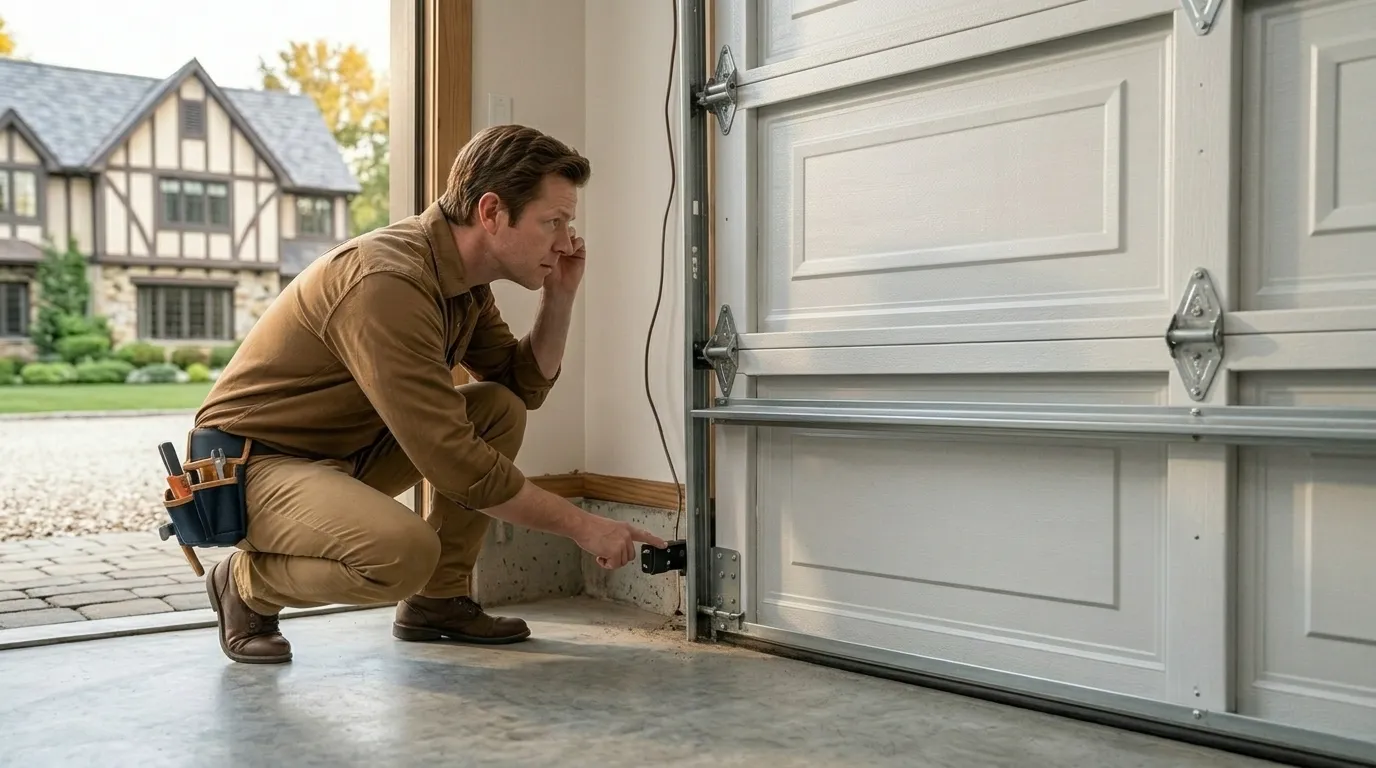
Across the 26 named areas we work in, the mix runs mostly 2000s stock, so we see the same handful of failure points over and over - worn rollers, cables fraying off the drum, opener logic boards from that generation starting to fail. A service call starts with identifying which of those you've got before anyone touches a wrench, because a spring call and a cable call and an opener call are three different jobs that just look the same from the driveway.
The area
When It Stops Being a DIY Job
A torsion spring under tension can put someone in the hospital - that's not scare talk, it's why we don't walk homeowners through spring swaps over the phone. If the door won't open and you can see a gap in the spring above the header, that's a call, not a project. Cable off the drum is the same category - the whole door is now held by one side, and forcing the opener button again can bend the track or drop the door on something under it. Where DIY still makes sense: replacing worn weatherstripping, lubricating hinges and rollers, tightening loose hardware on the track brackets.
Those are maintenance items, not repairs, and they don't require anyone to stand under a loaded door. The honest limitation here is that we don't do cosmetic panel touch-up or paint matching - if a dented panel is otherwise sound and just looks bad, that's a job for a body shop, not us. We fix what makes the door move safely and reliably, not what makes it look new.
What we find
What You Pay
We're not going to put a number here that isn't backed by real data, and pricing depends on too many variables - spring size, opener model, whether it's a single call or a full replacement - to give one figure that means anything. What we can tell you is what drives the cost on a typical call: parts (springs, cables, rollers, opener boards), labor time, and whether the job is a repair or a swap. Given the income profile in this service area - median household income runs around $116,974 - a lot of the calls we get land on the replace-rather-than-patch side of the line, especially on openers past their expected service life or torsion springs that are original to a 2002-era build.
That's a homeowner decision, not something we push. If a repair gets the door safely functional for a reasonable stretch, we'll say so. If it's going to need a second call in six months, we'll say that too.
How we work
How Local Conditions Play In
This area sits in a moderate-heat climate band, which matters more for garage doors than people expect. It's not ice and snow doing the damage here - it's repeated heat cycling on steel panels, insulation seals, and the lubricant in torsion springs, over and over across long summers. That shows up as brittle weatherstripping, springs that lose tension faster than the rated cycle count would suggest, and opener sensors that drift out of alignment as the frame expands and contracts.
Across the 77,529 households in this service area, with 52,521 of those being owner-occupied houses, this is fundamentally a homeowner call volume - garages attached to single-family houses, not commercial bay doors or apartment complexes. That shapes what we stock on the truck and what we expect to find: residential torsion systems, standard steel or insulated panels, openers in the consumer range rather than commercial-grade units. It also means the fixes we make are built around a house that's going to sit in this heat for another twenty summers, not a short-term patch.
Questions
Common questions
How do I know if it's a spring problem or an opener problem?
If the door is heavy to lift by hand with the opener disconnected, or you see a visible gap in the coil above the header, that's the spring. If the door moves fine by hand but the opener won't engage or reverses on its own, that's the opener or its sensors. We sort this out on the call.
Do you fix doors from the older extension-spring setups?
Yes. A good share of this area's housing dates to the 1985-2015 range, and some of those older builds still run extension springs along the horizontal tracks instead of torsion systems. We work on both.
Why does my door act up more in summer?
This area sits in a moderate-heat climate band, and repeated heat cycling is hard on steel panels, weatherstripping, and spring lubricant. It's a slower kind of wear than cold-climate ice damage, but it adds up over the years.
Is it ever not worth repairing?
Sometimes. If the opener is well past its expected life and the board keeps failing, or the door itself is original to a 2002-era build and multiple components are wearing out at once, a full swap can cost less over time than repeated service calls.
Ready when you are
Need a garage door sorted in Frisco?
Frisco Garage Door Co repairs and installs garage doors, springs and openers in Frisco, TX and the surrounding area.