
Worn Torsion Springs
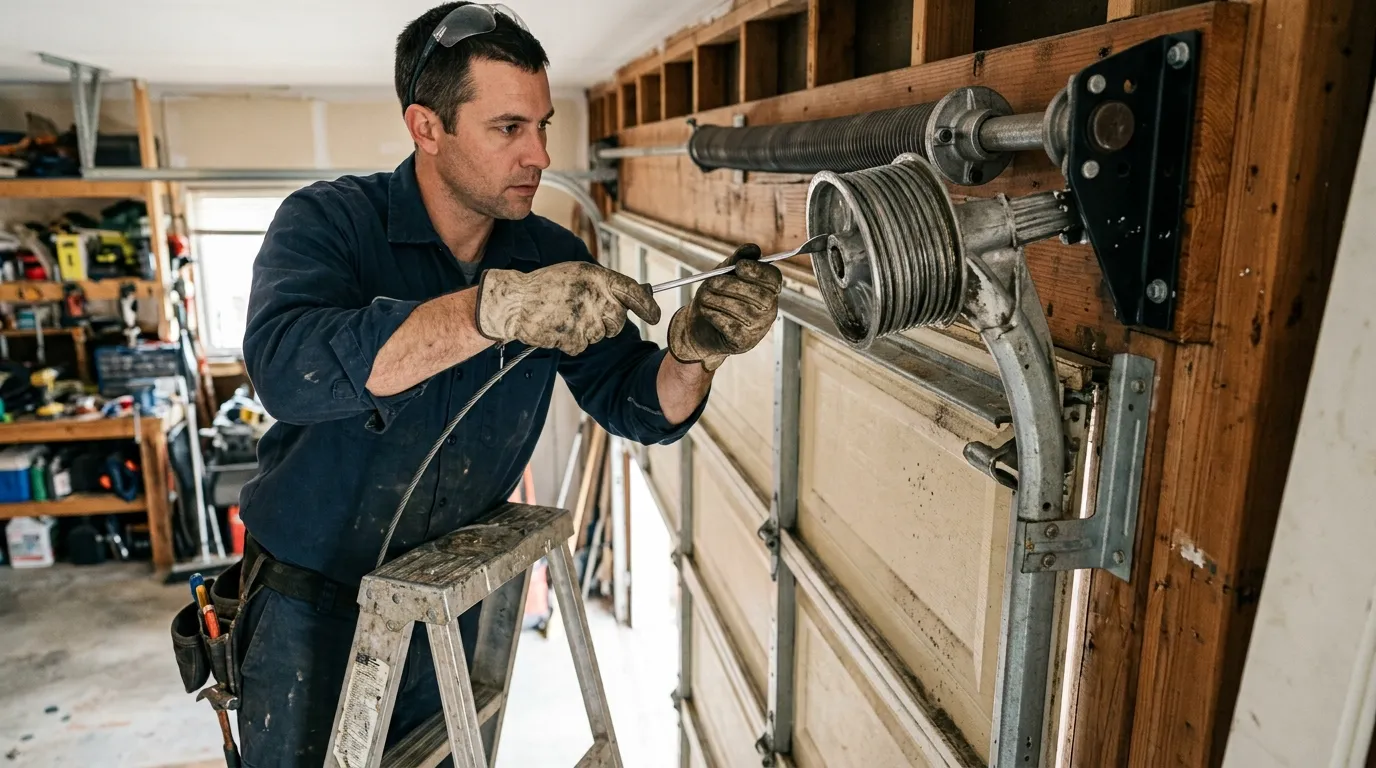
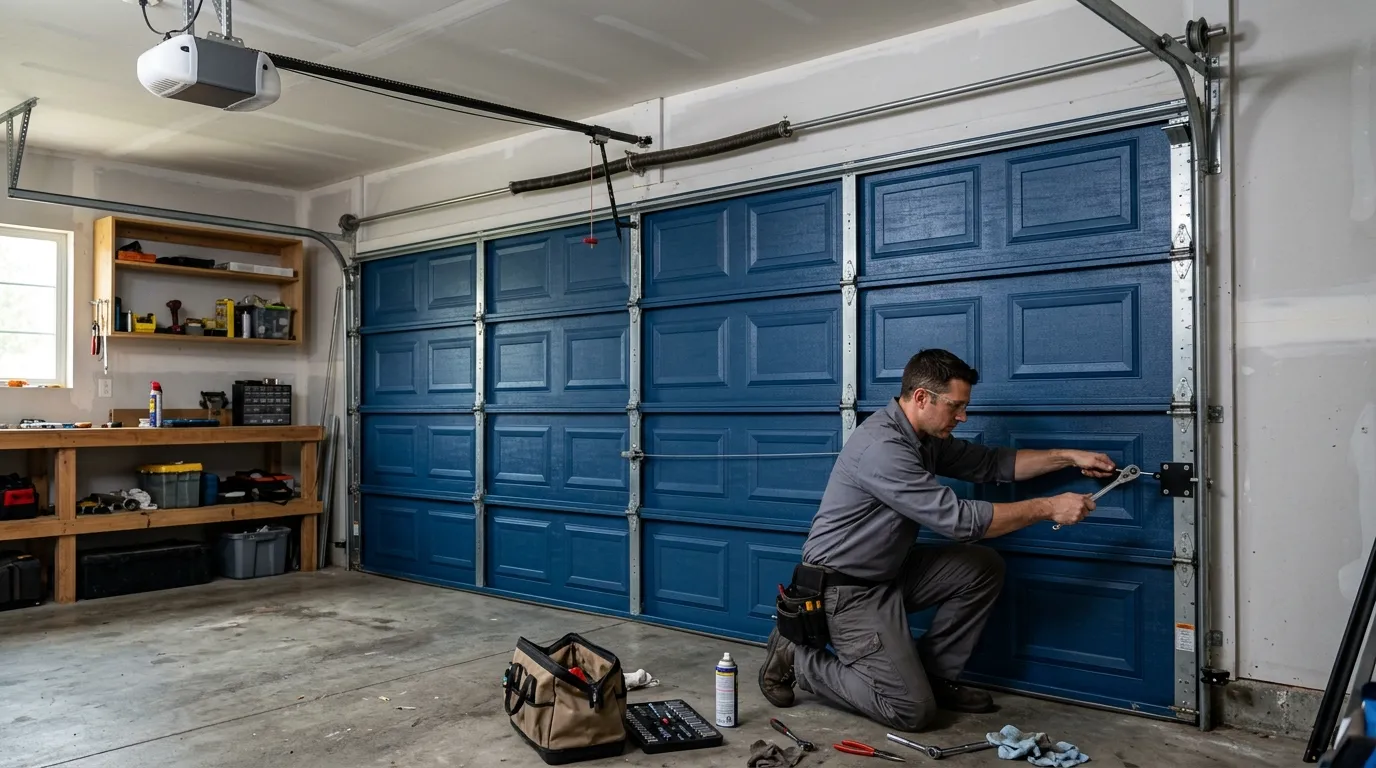
Torsion springs eventually reach the end of their useful cycle life after years of regular opening and closing, and they're the most common call on doors that have accumulated many years of daily cycles.
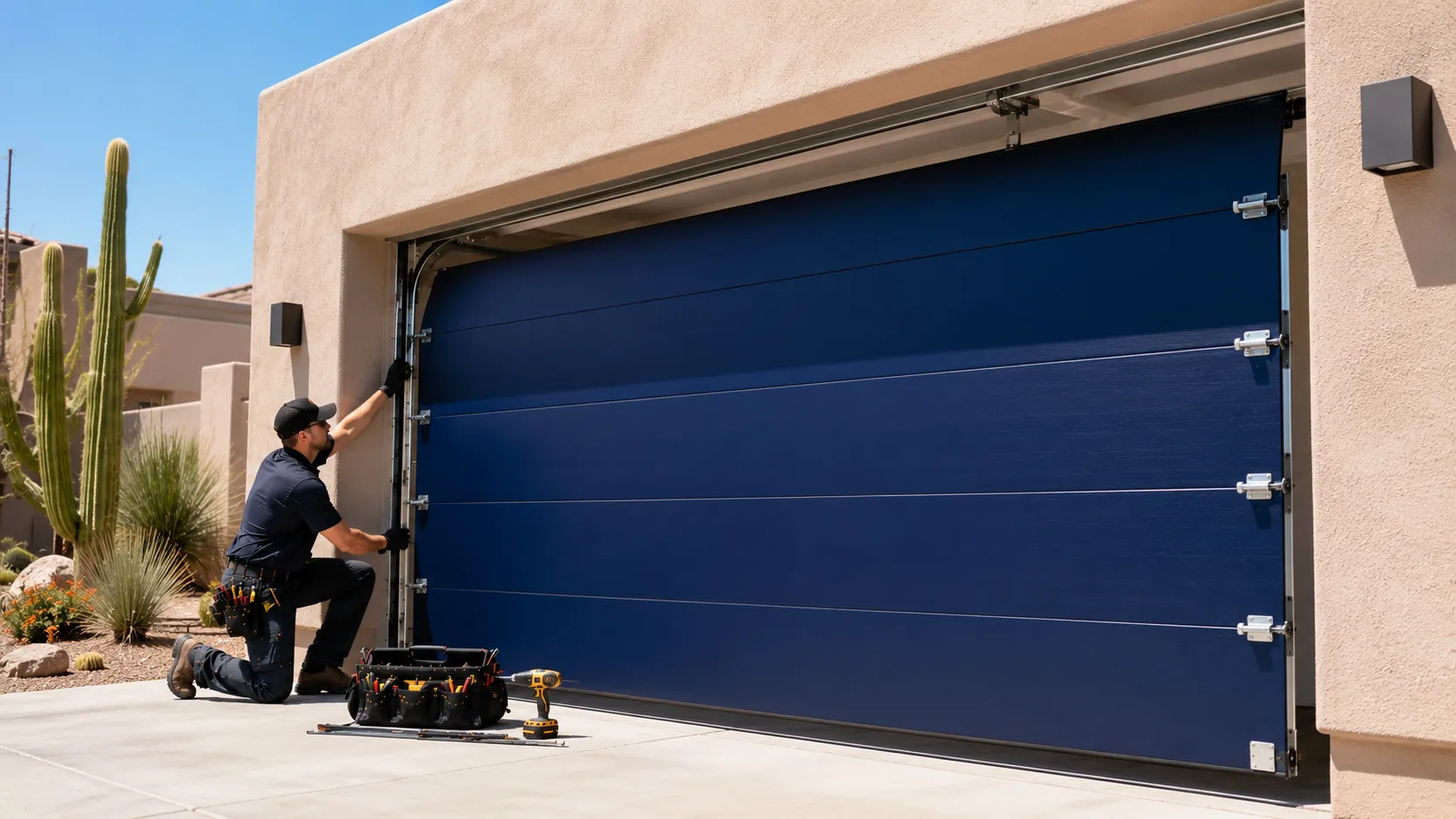
Local garage door service · Frisco, TX
Garage door repair and installation for Frisco homes built mostly between 1985 and 2015, covering emergency service, off-track repair, opener repair, panel replacement, roller replacement, and the residential garage door systems common across Frisco's 2000s-heavy housing stock.
Garage door services
From emergency garage door repair and installation to off-track doors, opener problems, damaged panels, worn rollers, and general service, the lineup is built around the systems common across Frisco's newer residential housing stock.
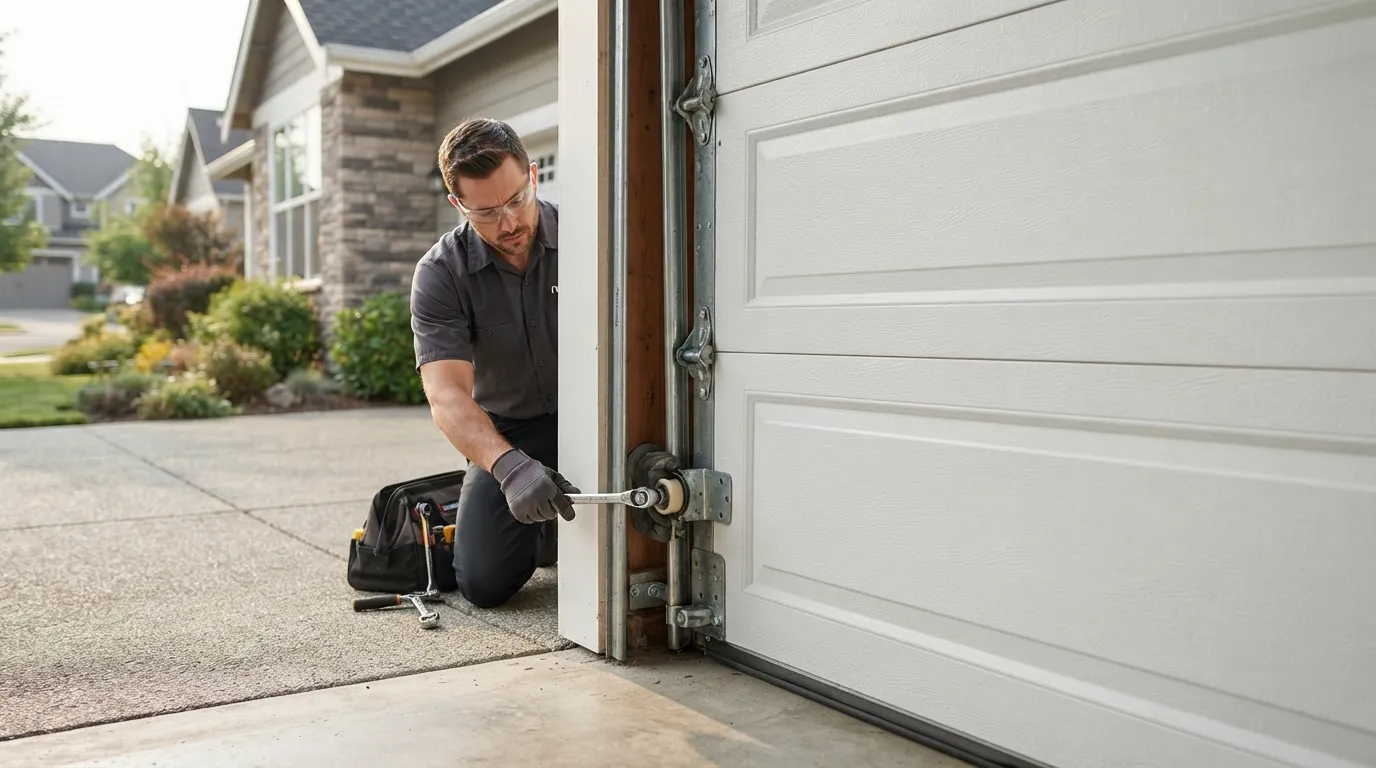
Common Frisco garage door problems
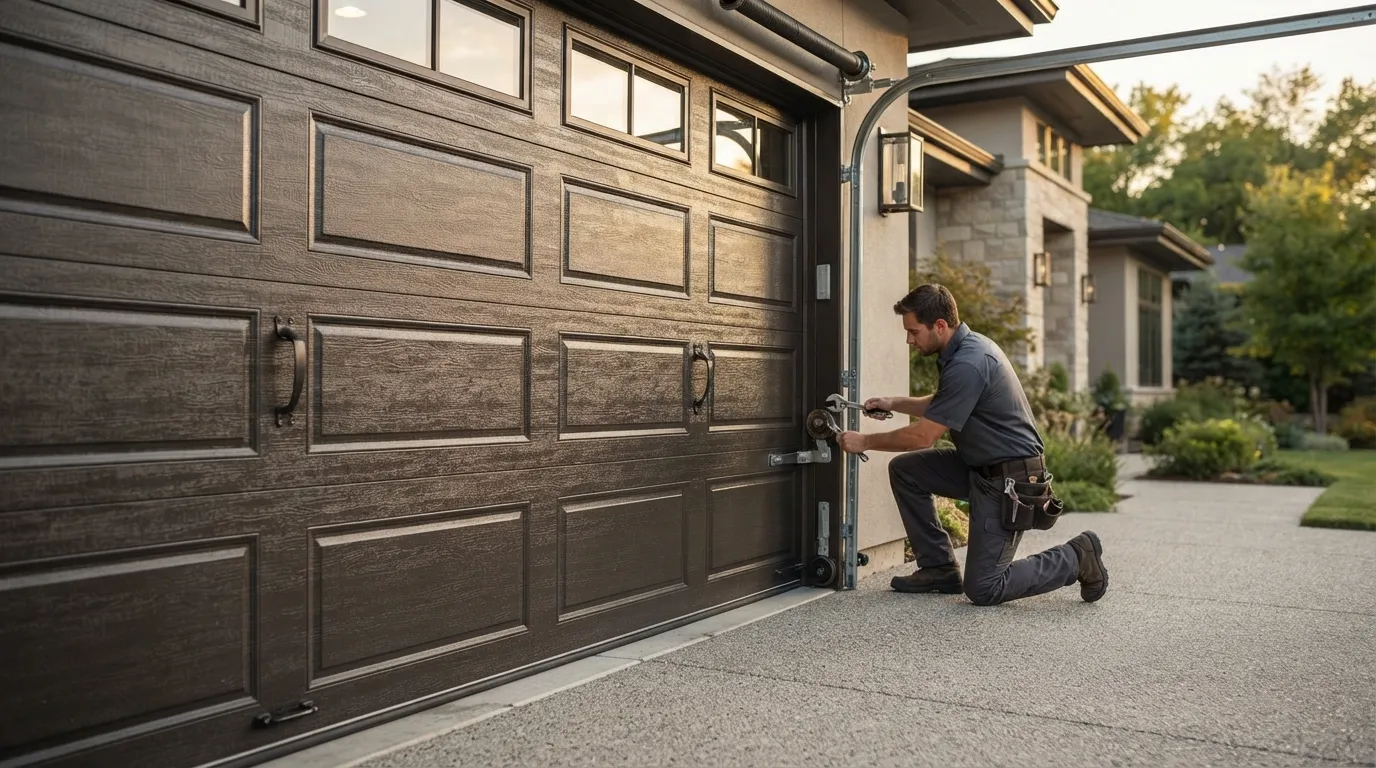
Worn torsion springs, aging openers, brittle rollers, cable problems, off-track doors, and damaged panels make up much of the work across Frisco's 2000s-heavy housing stock. With most homes built between 1985 and 2015 (median around 2002), torsion spring failure is the most common call after years of daily cycles; opener problems cluster on chain- and belt-drive units from the area's major building years; and because there's relatively little pre-1985 housing, older extension-spring systems are far less prominent here than in communities with older stock.
Torsion springs eventually reach the end of their useful cycle life after years of regular opening and closing, and they're the most common call on doors that have accumulated many years of daily cycles.
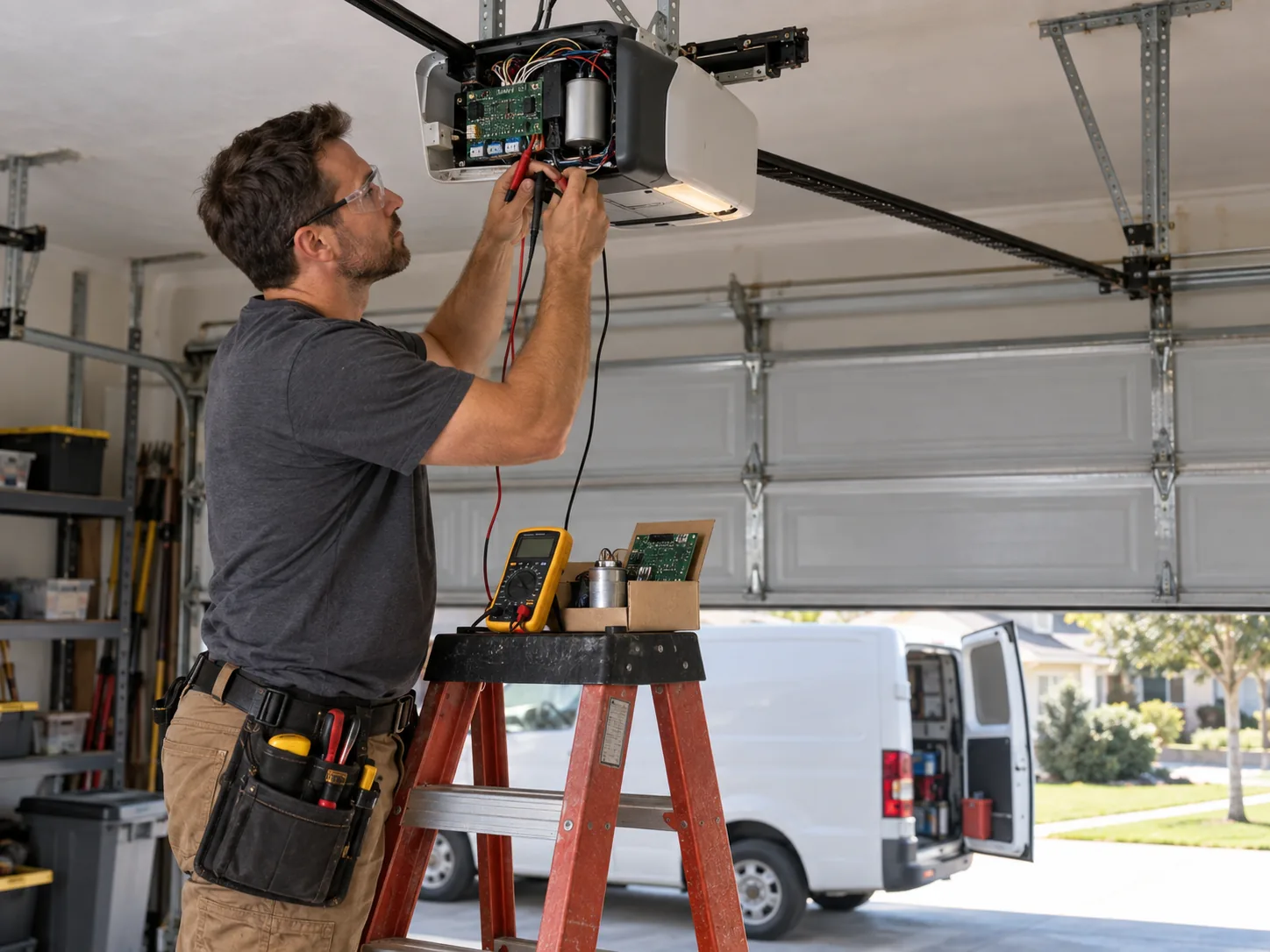
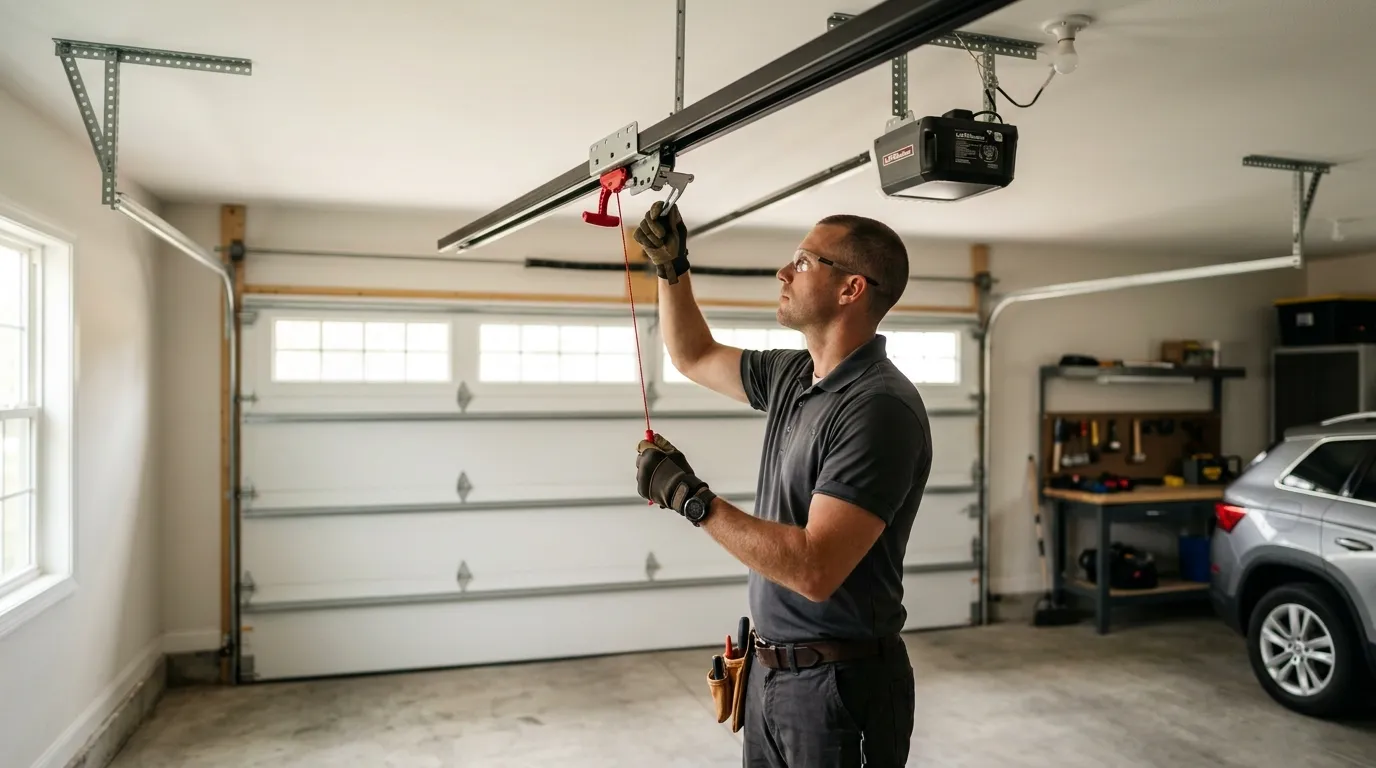
Older chain- and belt-drive openers can develop logic-board, gear, motor, sensor, or control problems as they age, particularly on units installed during the area's major building years.
Older rollers can become loud, brittle, rough, or resistant after years of daily movement through the track, which puts extra strain on the opener.
Cable problems, roller wear, impact, or track movement can leave a garage door crooked or outside its normal track path, so the fix addresses the underlying cause.
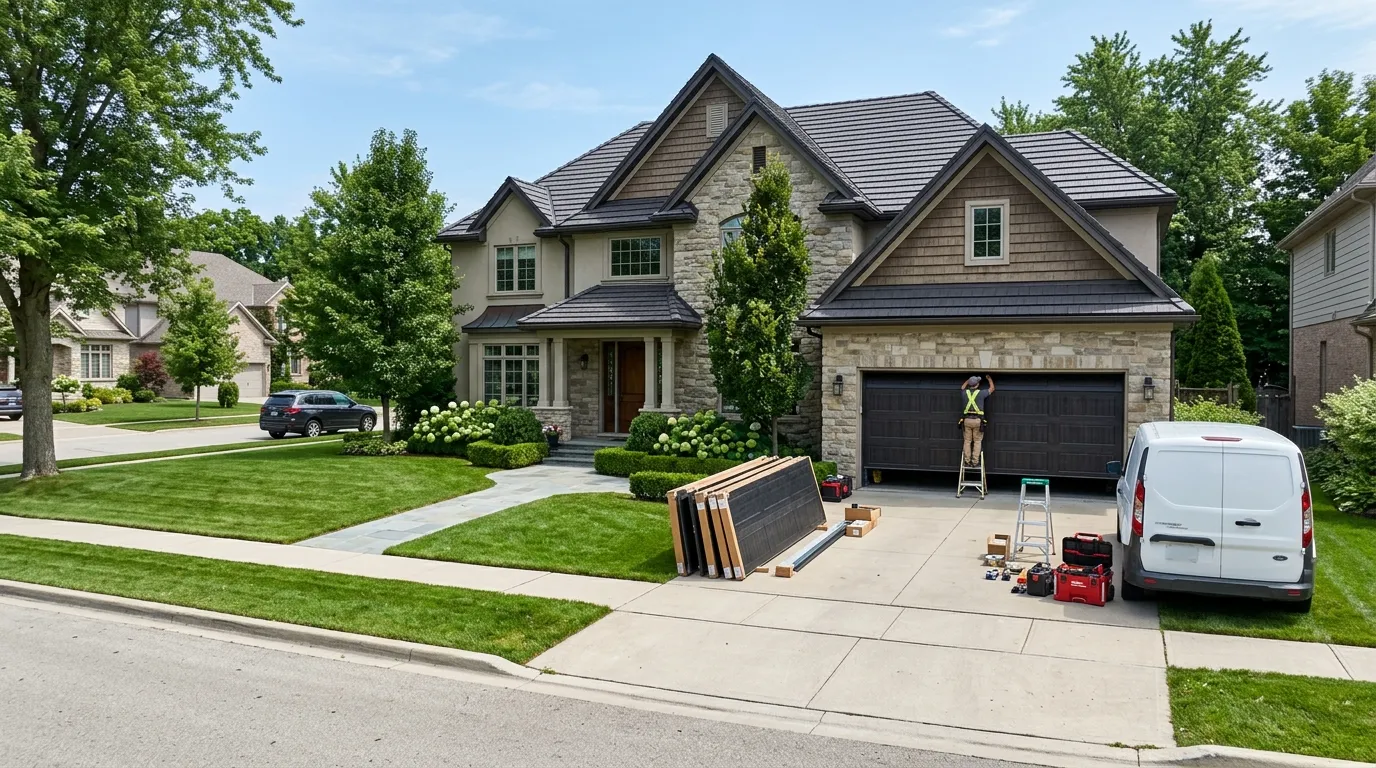
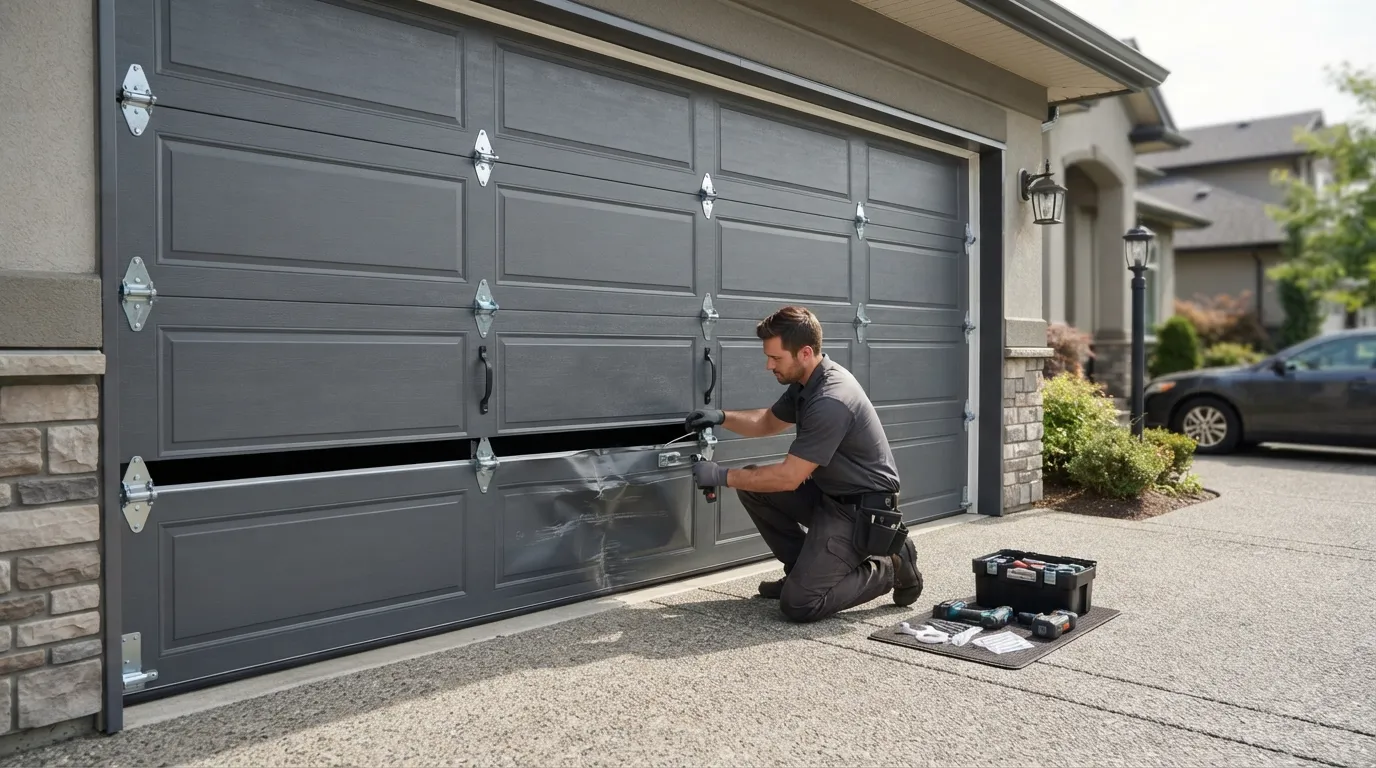
Dented or damaged steel sections can sometimes be replaced individually when a compatible panel remains available and the rest of the door is sound.
Local housing matters
The broader source service area was built heavily between 1985 and 2015, with a median home build year around 2002.
That relatively concentrated window means many neighborhoods use similar generations of steel sectional doors, torsion springs, rollers, tracks, and chain- or belt-drive openers.
There are roughly 77,500 households across the broader area, including around 52,500 owner-occupied houses.
Because the region built out in waves, homes in different surrounding communities can share similar builder-era garage door hardware.
The build year provides useful context, but the correct repair still depends on the springs, cables, rollers, tracks, opener, panels, and previous work actually installed today.
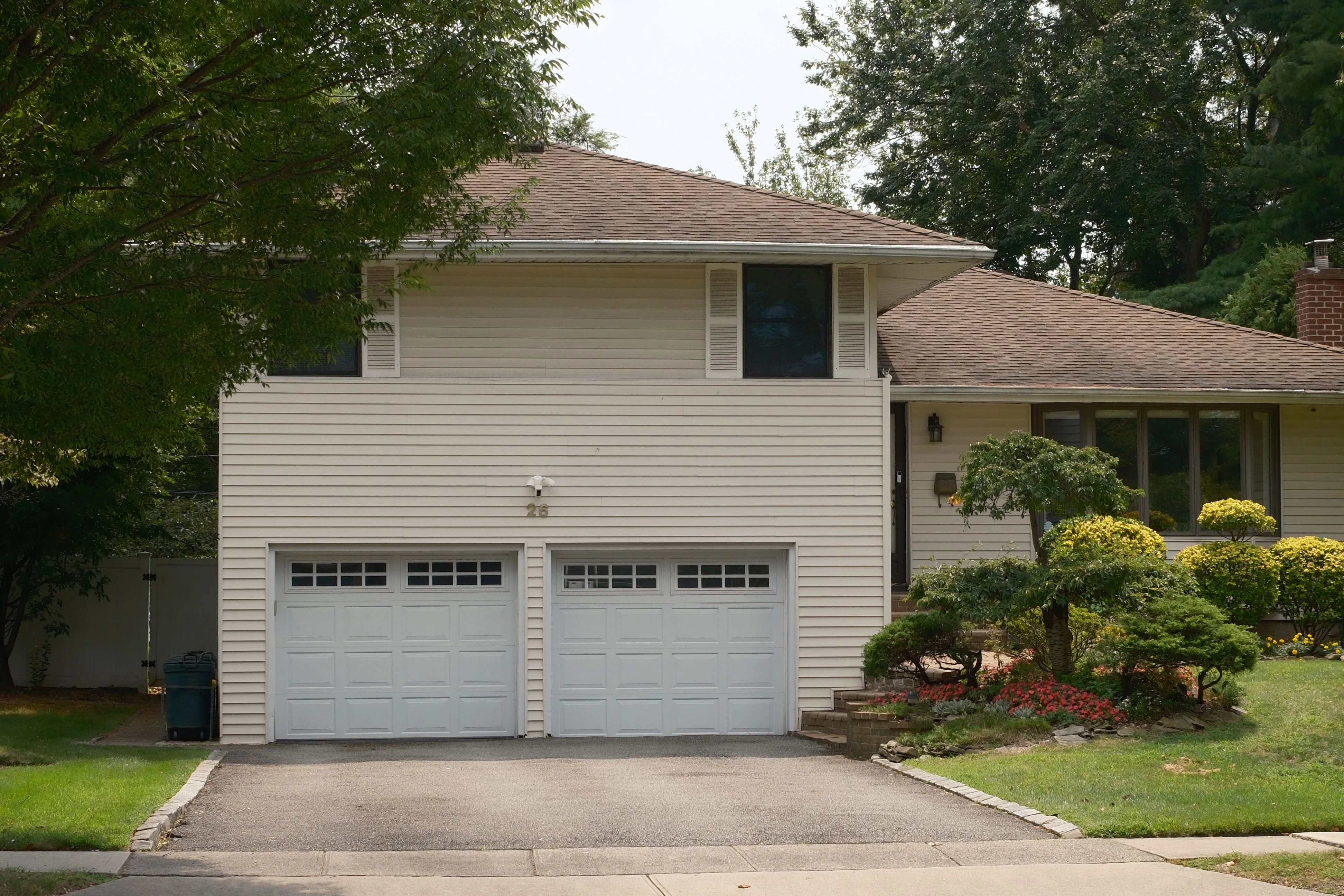
2000s-era garage door systems
Homes spanning 1985 through 2015 create a service mix centered on torsion springs, steel sectional doors, builder-grade openers, electronic controls, and relatively standardized residential hardware.
Torsion springs are common across the newer residential garage door stock in the area, so most spring work here is torsion rather than the older extension type.
Much of the housing uses sectional steel doors with replaceable panels, rollers, cables, and spring hardware, which shapes how most repairs are approached.
Builder-era openers from the 1990s and 2000s are now old enough for motors, gears, boards, and controls to need attention as they reach the end of their service life.
Parts availability is better than in much older housing areas because many homes share similar generations of residential hardware, which keeps more repairs to a single visit.
What to expect
We start with what the door is actually doing, use the symptom pattern to point toward the likely cause, then inspect the door — checking springs first when it won't move, and opener boards, sensors, and drive parts when the issue looks electronic.
Tell us whether the door won't open, moves crooked, made a loud bang, or the remote and opener are not responding. That symptom is the starting point for the diagnosis.
The symptom pattern can help point toward springs, opener electronics, sensors, rollers, cables, or track problems before the on-site inspection.
We check springs first when the door will not move, and check opener boards, sensors, and drive components when the issue appears electronic or mechanical.
The problem, recommended repair, and cost are explained before the work proceeds, so you decide with the full picture in front of you.
Some Uncommon Parts May Need Sourcing
Most hardware from the area's housing era is commonly available, but unusual or discontinued parts can require additional sourcing rather than a same-visit replacement.
Clear repair guidance
There isn't a published flat price, because the repair depends on the door, spring size, opener condition, track wear, and actual failed component.
Correct spring sizing matters because the garage door should stay balanced rather than forcing the opener to carry more load than intended.
We use hardware matched to the installed system rather than replacing components simply because they're available on the truck.
Median household income across the broader source service area is a little over $116,000.
The approach is to repair what is actually broken, leave sound components alone, and explain when broader replacement becomes more practical.
Repair or replace?
A broken spring, worn roller, opener board, cable issue, or isolated track problem does not automatically mean the complete door needs replacement. Replacement becomes more practical when several major components are failing together.
A spring repair can make sense when the panels, tracks, cables, rollers, and opener remain in usable condition. One worn spring is no reason to replace a sound door.
A logic-board, sensor, motor, or drive problem can sometimes be addressed without replacing the complete garage door, depending on parts availability.
Replacement becomes more practical when panel damage is combined with aging springs, tracks, or other major hardware failures.
An older door with repeated spring, opener, track, and panel issues can reach the point where another individual repair offers poor long-term value.
Warm-weather garage door wear
The area carries a moderate heat load, so age, daily cycling, insulation condition, and component wear matter more to how older garage doors perform than extreme weather does.
Daily opening and closing remains a primary source of torsion spring fatigue regardless of seasonal conditions, and it's what brings most springs to the end of their rated cycles.
Nylon rollers can become increasingly brittle, noisy, or rough as they accumulate years of use, leaving the door louder and less smooth in the track.
Logic boards, sensors, remotes, motors, and drive components can fail simply as the opener ages, independent of how the mechanical hardware is holding up.
Older doors can lose some of their original sealing or insulating performance as panels, seals, and surrounding hardware age over time.
Built around Frisco garage doors
The correct repair depends on the springs, rollers, cables, tracks, opener, panels, and previous changes actually installed on the garage door today — not a generic national parts list.
Many homes share similar hardware generations, but spring size, door weight, opener type, and panel configuration can still vary from house to house.
A properly balanced door keeps the opener from doing lifting work that should be handled by the spring system, so balance is checked before the opener is condemned.
If a targeted repair solves the actual failure and the rest of the system remains sound, complete replacement isn't the default recommendation.
If an unusual opener component or discontinued part needs sourcing, the repair timeline should reflect actual availability rather than an optimistic guess.

Service areas
Questions
Most homes here were built between 1985 and 2015, with a median build year around 2002. Torsion springs have a rated lifespan measured in door cycles, and a door from that build window has usually put in 15-20+ years of daily use by now - which is why spring failure is the most common call we get.
Yes. For this site, the configured surrounding service areas are Corinth, Farmers Branch, Highland Village, Lantana, Lucas, Melissa, Murphy, and Princeton.
Not accurately. Spring sizing, opener condition, and track wear all affect the job, so we price it after we've actually seen the door rather than quoting a number sight unseen.
There's no fixed age, but doors from the earliest part of our area's build window - the mid-to-late 1980s and 1990s homes - are the ones where we most often see multiple systems failing together, which is usually the point where replacement costs less over time than repeated repairs.
Ready when you are
Tell us what the door is doing and we'll help you figure out whether you're dealing with a spring, opener, roller, cable, track, damaged panel, off-track door, or a system that's reached the point where replacement makes more sense.