New Garage Door Installation for Frisco Homes in Frisco

Frisco, TX

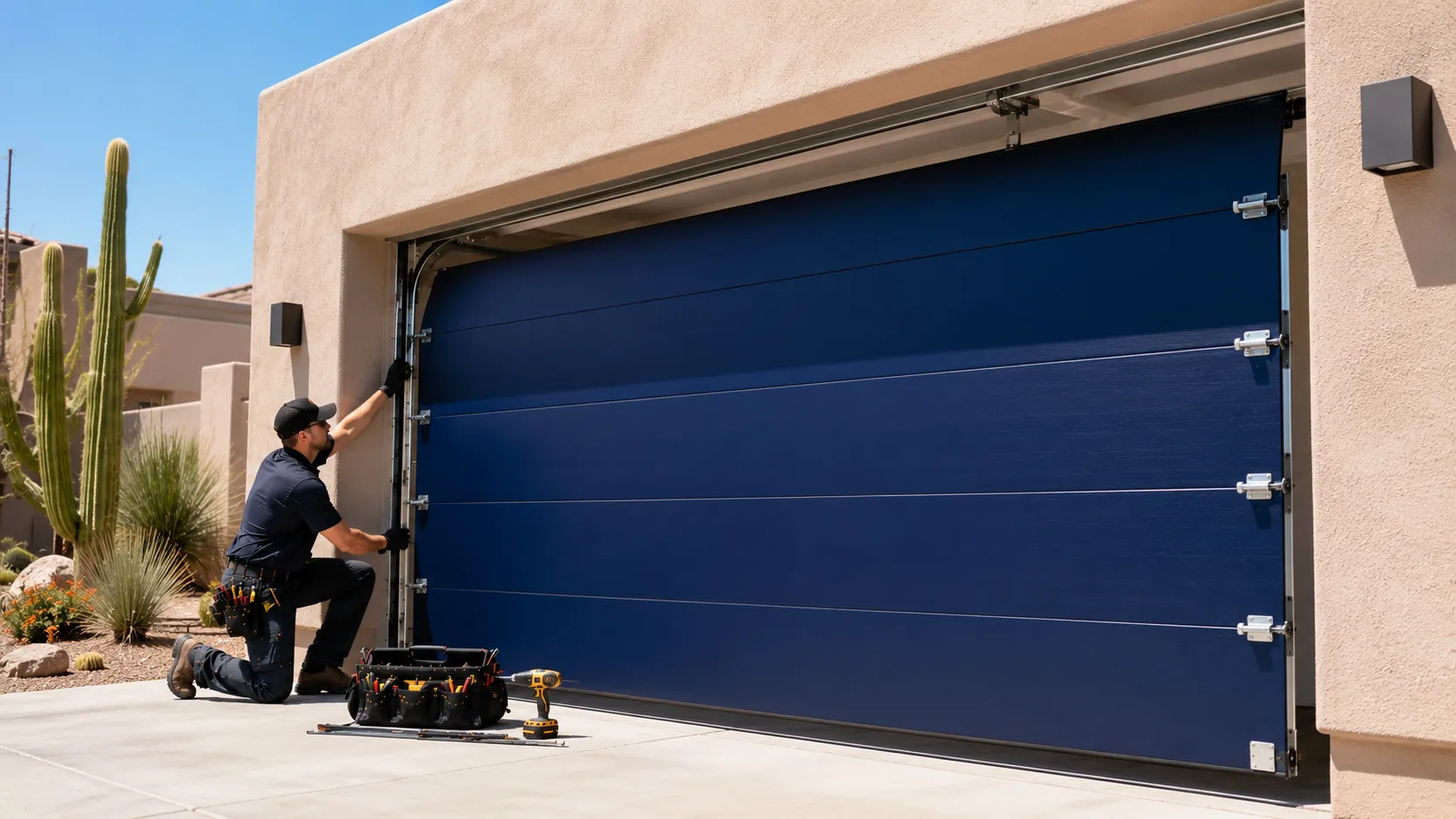
New Garage Door Installation for Frisco Homes

Replacing a garage door in a Frisco home built between 1985 and 2015 means matching hardware sized for the original opener load, not just picking a panel style.

Serving Frisco, TXBackground-checked techsHonest, upfront pricingFast local response
1985–2015
Typical build years of local homes
2002
Median year homes were built
$116K
Median household income
26
Named areas in our coverage

Pricing

What You Pay

We don't post a flat number for installation because the variables are real: door size, insulation level, whether the opener gets replaced too, and whether the existing track and jamb are square or need rebuilding. A single door on a newer house is a different job than a double door on an older frame that's shifted with the slab.

Insulated Steel Vs Uncoated

Insulated steel costs more than uncoated single-layer panels but holds up better against the heat cycling this area gets. It's the upgrade most homeowners here choose once they see how much longer it holds paint and shape through Texas summers.

Carriage Style Vs Flush Panels

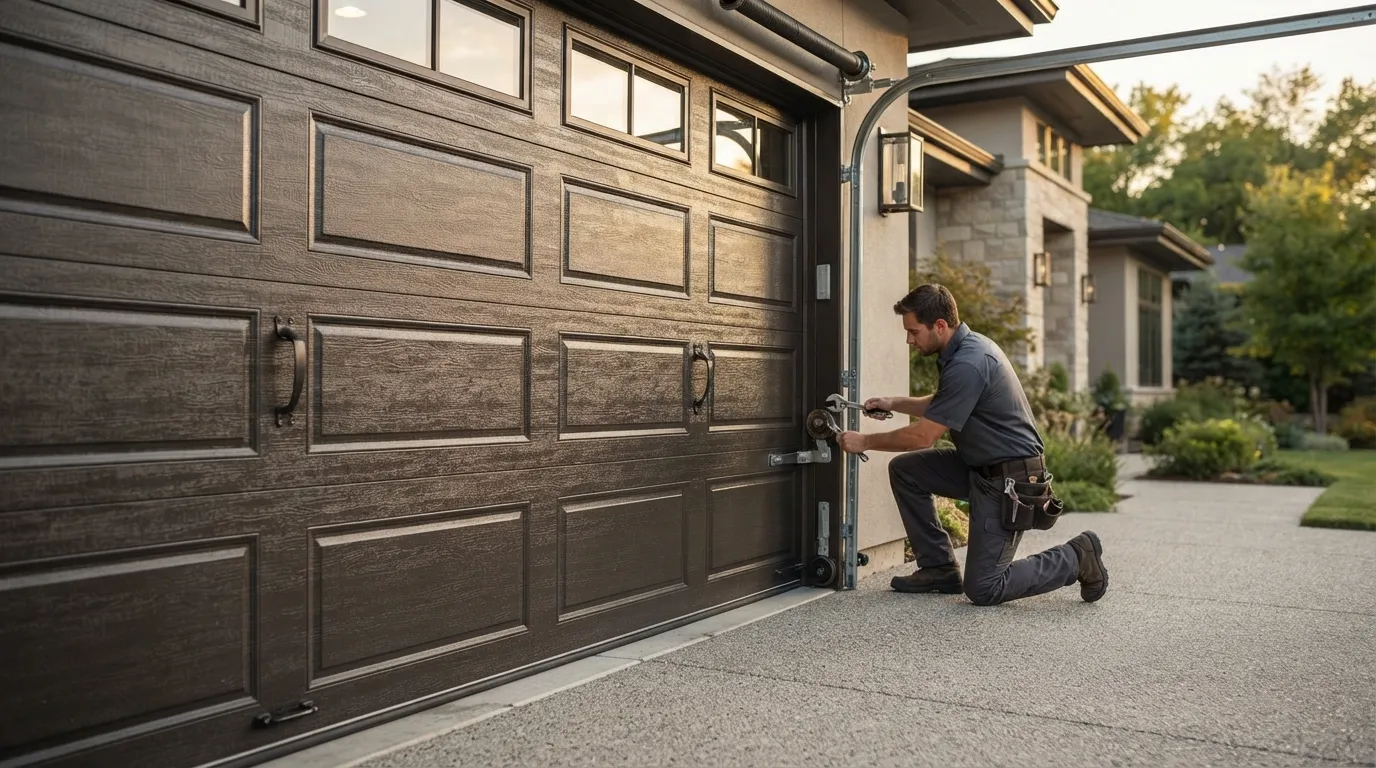
Carriage-style doors with faux wood overlay run higher than plain flush panels, mostly on account of the extra hardware and detailing involved in that look. Either style holds up fine structurally - the price difference is almost entirely cosmetic.

Replacing The Opener Together

If the opener is original to the house, replacing it at the same time usually costs less than a second truck visit later. Bundling the two jobs into one call also means one disruption to your routine instead of two separate ones weeks apart.

What Most Owners Choose

With a median household income of $116,974 across the service area, most owners here choose mid-tier insulated doors rather than the cheapest option or the top-of-line custom builds. That's not a rule, just what we see on the trucks most weeks before we give a firm number after looking at the opening.

Warning signs

What You Are Seeing

If your door is original to the house, it was likely installed in a builder package sized to a code and a load standard from whenever that subdivision went up. Across this service area, housing runs 1985 to 2015 with a median build year of 2002, so a lot of doors coming up for replacement now are pushing twenty to thirty-five years on hardware that was never top-tier to start with.

Bowing Bottom Panels

The common tells include panels that look fine from the driveway but have started to bow at the bottom, which is age plus heat rather than storm damage. It shows up gradually, so most owners don't notice until the bow is already pronounced.

Brittle Floor Seal

The seal along the floor going brittle and cracked is another common tell, since rubber weatherstrip has a shorter service life than the steel panels around it. A cracked seal lets in dirt, moisture, and pests long before the door itself needs replacing.

Grinding Before It Catches

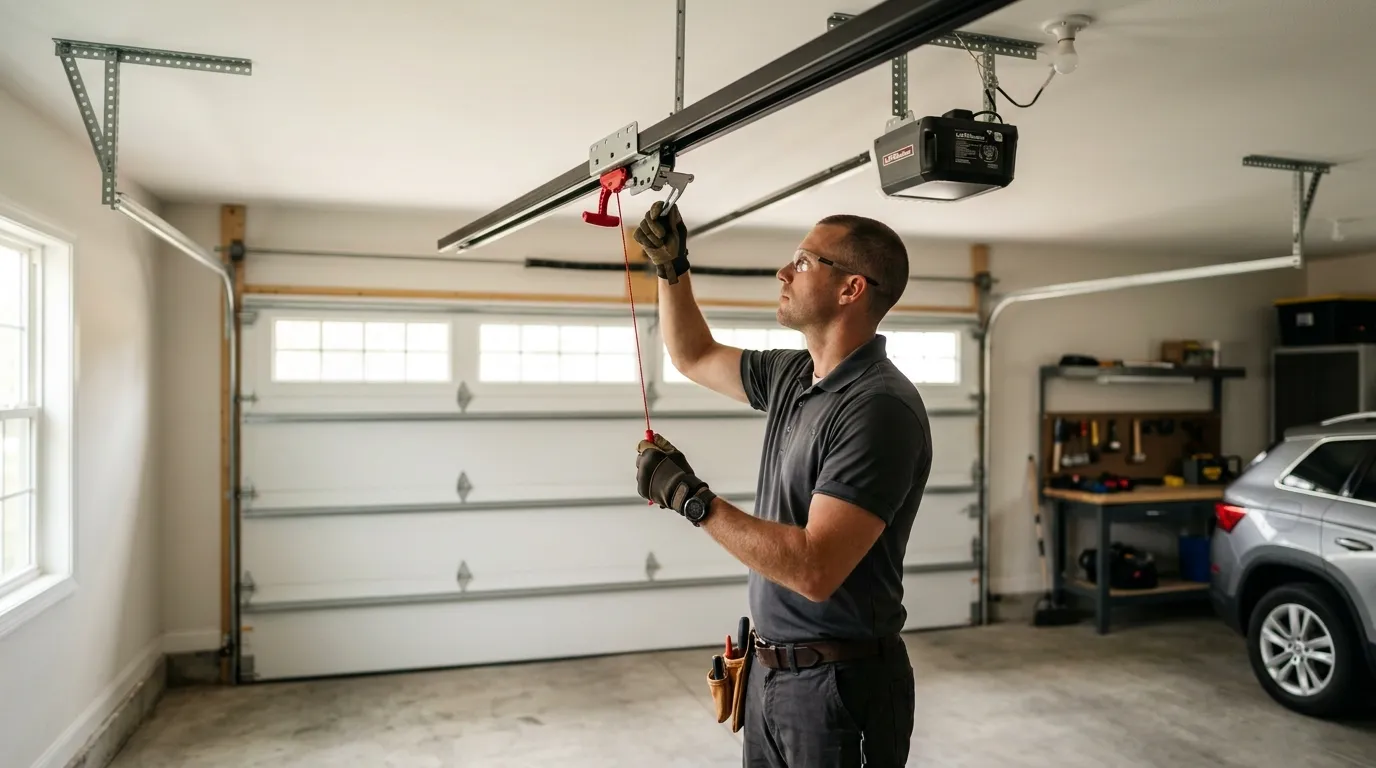
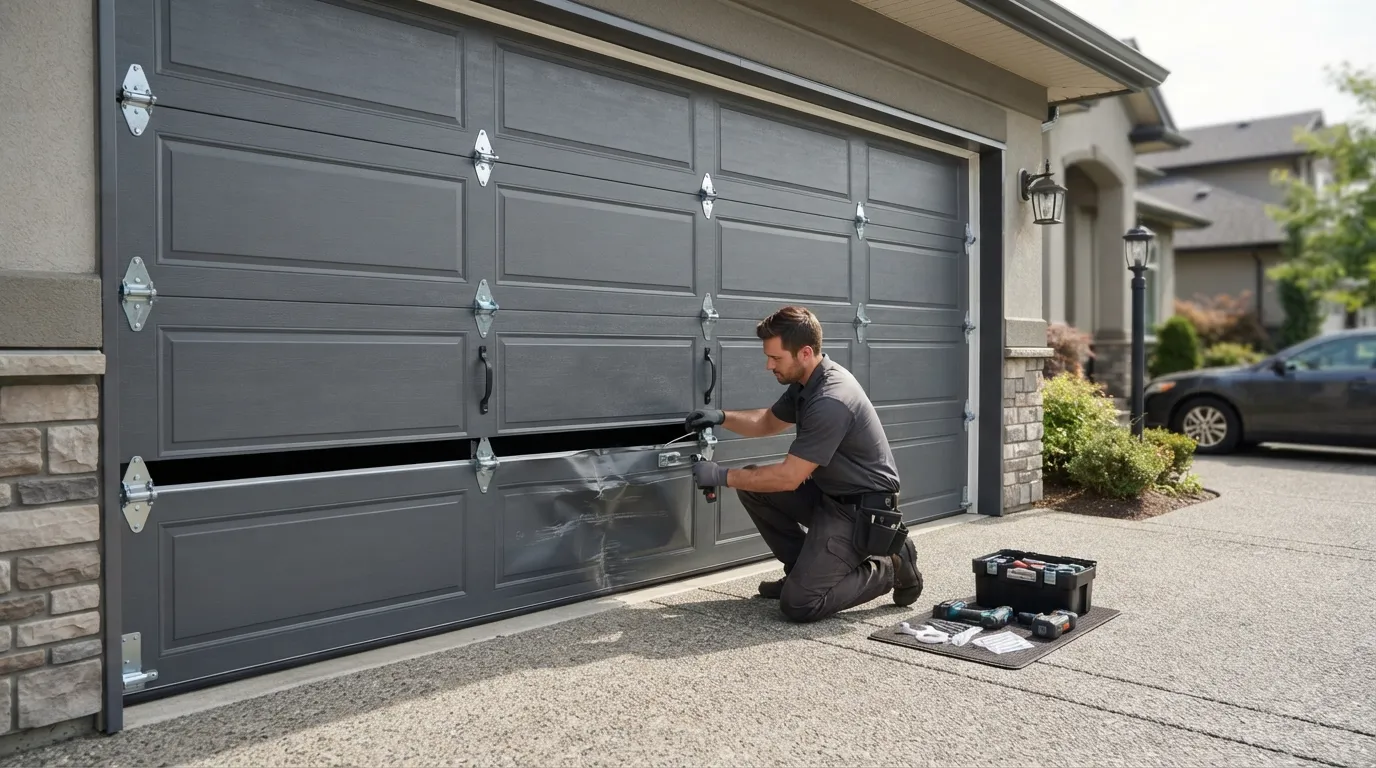
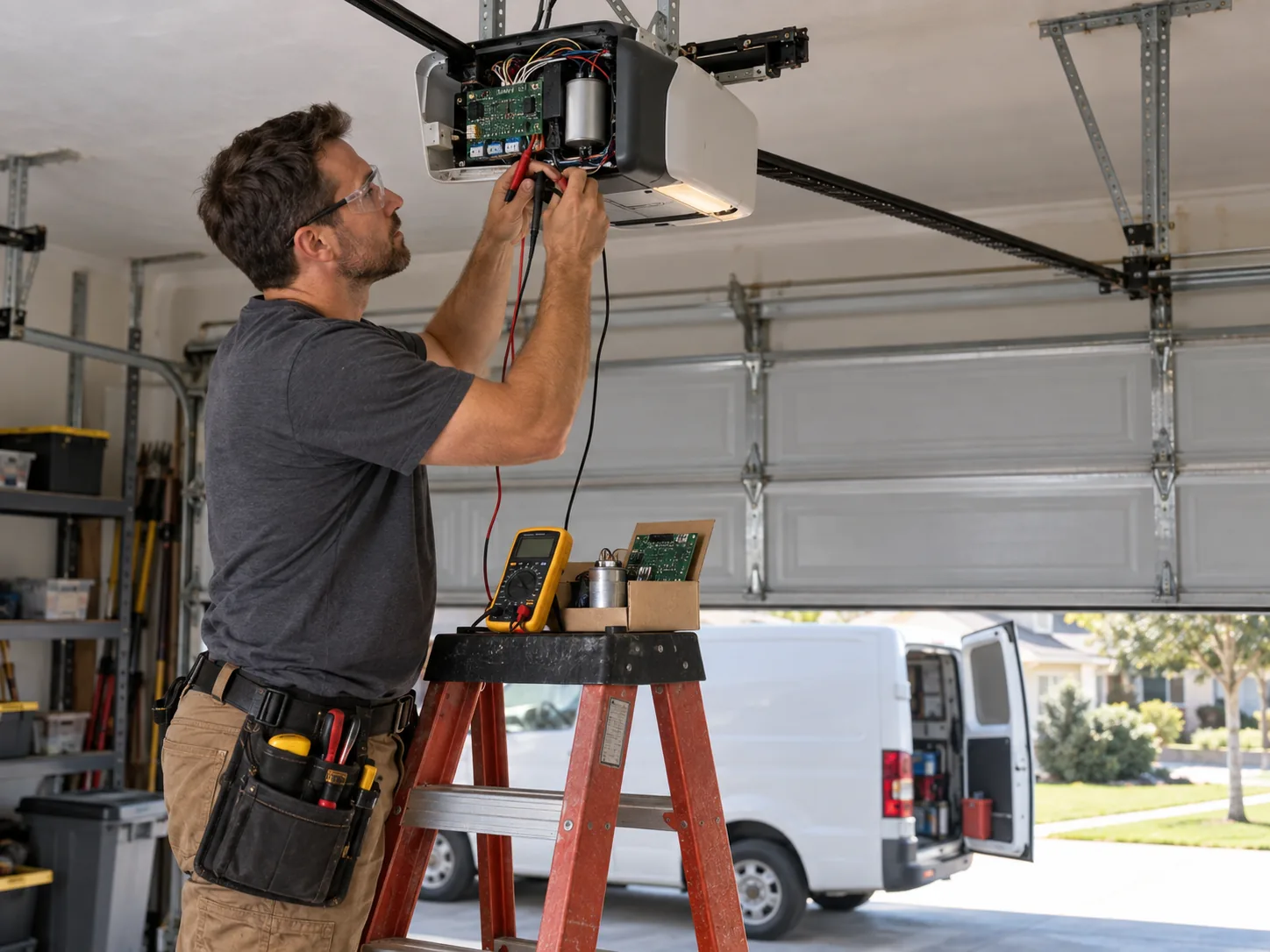
An opener that grinds before it catches is often mistaken for a door problem, when it's really the opener's internal hardware wearing down separately from the panels. Panels that were dented once and never fully popped back out also tend to bind on the track over time, which owners often mistake for a spring problem.

Newer Stock, Different Failure

On the newer end of that 1985-2015 range, especially the 2000s-era stock that makes up most of the 26 named areas we work in, doors are more likely to have working insulation but an opener logic board that's finally failing rather than the door itself being the issue.

DIY or pro

Doing It Yourself

Swapping weatherstrip, tightening loose hinge bolts, or lubricating rollers are reasonable weekend jobs and won't void anything if you do them carefully. Replacing the door itself is a different scale of work, and that's where the steps below matter.

  1. Handle Small Maintenance Yourself

    Swapping weatherstrip, tightening loose hinge bolts, or lubricating rollers are reasonable weekend jobs and won't void anything if you do them carefully. These small tasks keep an aging door running smoothly without touching anything under tension.

  2. Know What A Full Install Involves

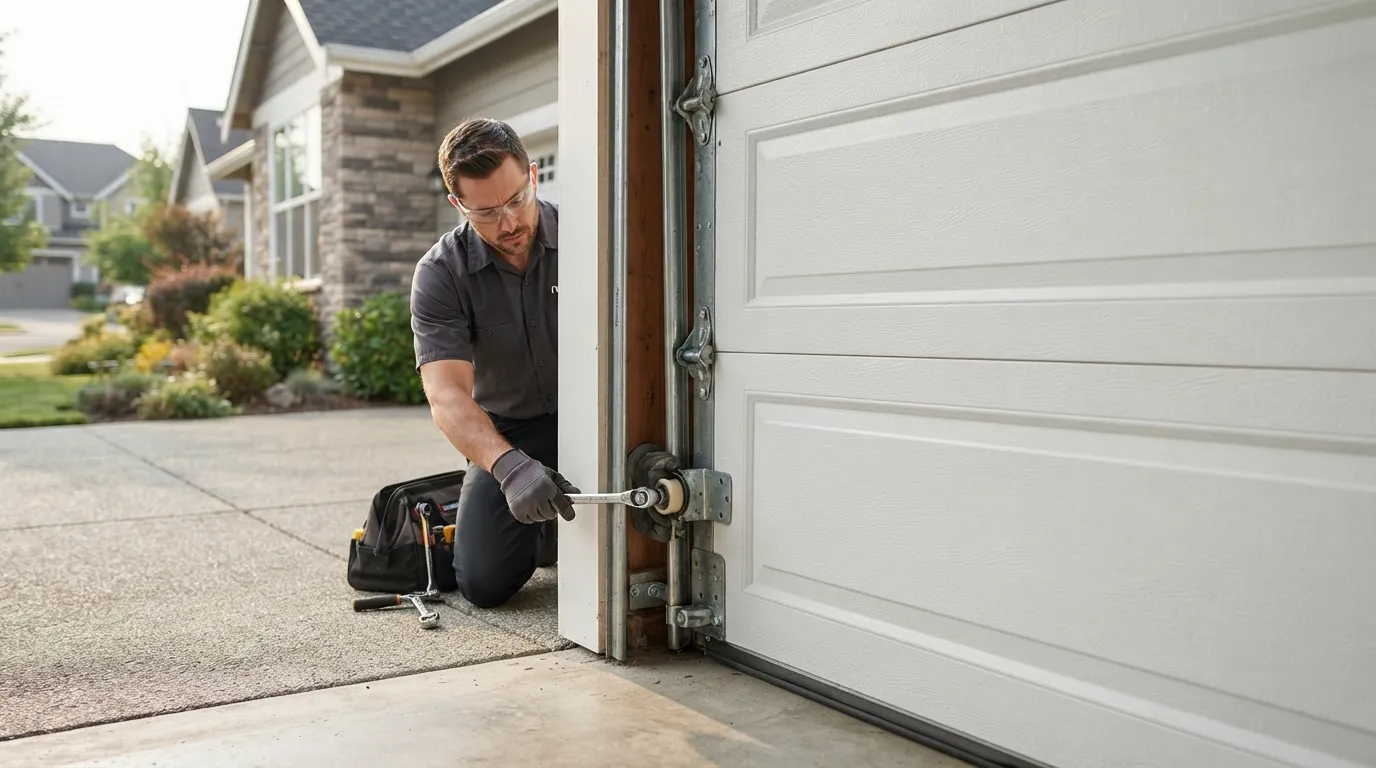
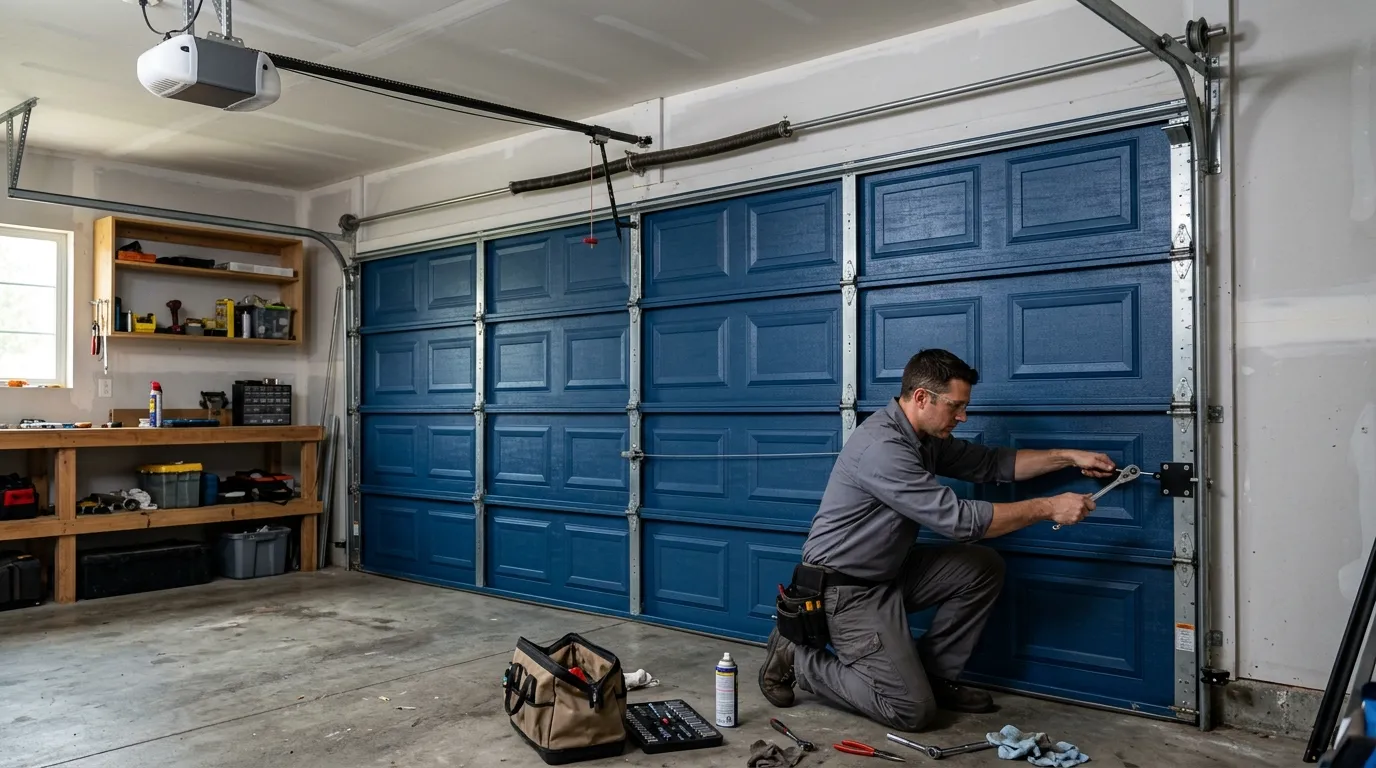
    A double garage door with its track, springs, and opener bracket is heavy, under tension, and needs to be squared to an opening that may not be perfectly plumb after twenty-plus years of settling. That's a different scale of work than routine maintenance.

  3. Watch For The Real DIY Risks

    Torsion spring tension and cable routing are where DIY installs go wrong most often, and a door that's slightly out of square will bind or slam within months even if it looks right on install day. We're not saying it can't be done - plenty of capable people install their own doors.

  4. Split The Job If You Want

    If you're doing the demo and prep yourself and want us to handle the hang and balance, say so when you call. We'd rather talk through that split up front than have you redo it twice after a spring or cable mistake.

Local causes

Why It Happens Here

Frisco sits in a moderate-heat climate band, not the extreme end of the Texas heat map, but moderate still means long stretches of direct summer sun on a south- or west-facing garage door most days of the year. That's slow, steady heat cycling on rubber seals, plastic idler bearings, and the grease in torsion bearings - not a sudden failure, just a faster clock on parts that would last longer somewhere cooler.

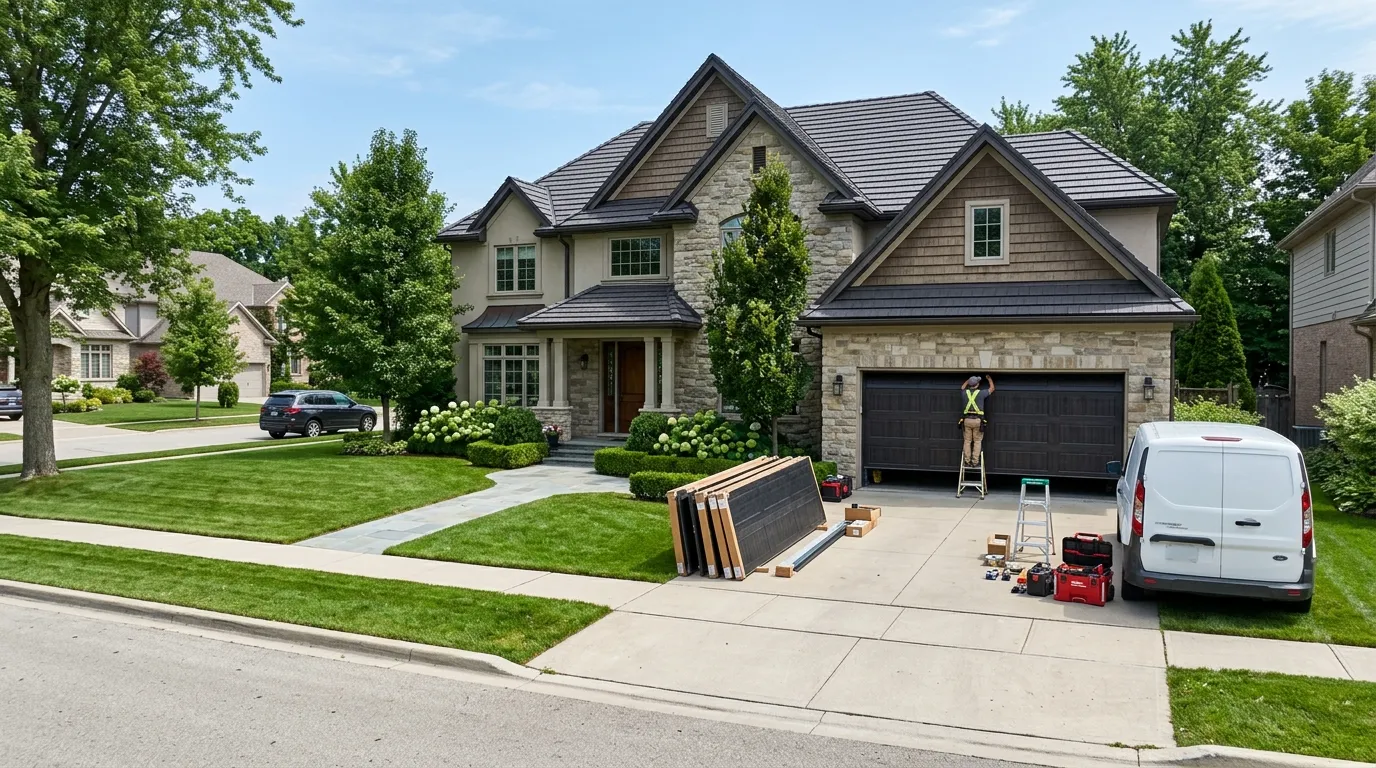
Because so much of the housing here dates to 1985-2015 with a median of 2002, a big share of doors and openers across the service area are aging out at roughly the same time. Chapel Creek sits about 2 miles south, and the builder-grade doors on that side of town came out of the same production runs as the rest of the 2000s wave - same steel gauge, same stock openers. That's why we see the same failure pattern across so many streets in the same season instead of it being scattered randomly house to house.

Why It Happens Here

Questions

Common questions

How do I know if I need a new door or just a repair?

If the panels are bowed, rusted through, or the door is more than twenty-five years old and the track has been rebuilt more than once, replacement usually costs less over time than another repair. A door with one bent panel and everything else sound is almost always a repair, not a replacement.

Will a new door fit my existing opener?

Often yes, if the opener is under about ten years old and rated for the new door's weight. Older openers built for the original 1985-2015 stock sometimes can't handle a heavier insulated door safely, so we check the horsepower and drive type before we commit to keeping it.

Does the heat here actually affect the door, or just the opener?

Both. The moderate heat band this area sits in bakes weatherstrip and softens track lubricant over years of direct sun, and it also shortens the life of opener circuit boards housed in an uninsulated garage. It's steady wear, not a single event.

Can I get insulation added if my current door doesn't have it?

Not by retrofitting the existing panels - insulation is built into the panel during manufacture. If your door predates that option, the fix is a new insulated door rather than adding foam to the old one, which we won't do because it doesn't hold up.

Ready when you are

Need a garage door sorted in Frisco?

Frisco Garage Door Co repairs and installs garage doors, springs and openers in Frisco, TX and the surrounding area.

CallGet a quote